
After K Electric Deal Collapse, Zardari Seeks ‘Amicable’ Path with Shanghai Electric

Days after Shanghai Electric terminated its long pending 1.8 billion dollar bid for a majority stake in K Electric citing changing conditions and unmet requirements, President Zardari met Chairman Wu Lei in Shanghai, pledging to resolve outstanding issues “amicably,” witness an MoU for a coal gasification plant in Tharparkar, and invite fresh Chinese investment to modernize Pakistan’s transmission and distribution network set against a power sector still weighed down by circular debt and high losses.
ISLAMABAD: President Asif Ali Zardari this week assured Chinese company Shanghai Electric of resolving all of its outstanding issues “amicably,” days after it terminated a $1.8 billion deal to acquire Pakistan’s K-Electric.
Shanghai Electric’s board of directors decided to terminate the deal to acquire the Pakistani power utility company on Sept. 9, citing Pakistan’s changing business conditions and K-Electric’s failure to meet conditions. The Chinese company was in talks to acquire the majority stake in KE since 2016, delayed due to regulatory approvals and liquidity constraints as a consequence of mounting circular debt plaguing the country’s power sector.
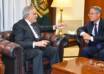
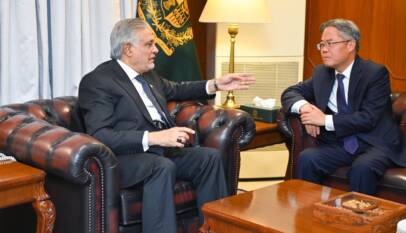
Zardari arrived in China last Friday for a ten-day official visit to the country, which comes on the heels of Prime Minister Shehbaz Sharif’s trip to China last week. The Pakistani president met Shanghai Electric’s Chairman Wu Lei at the company’s office in Shanghai.
He was accompanied by his daughter and First Lady Aseefa Bhutto Zardari and his son, former foreign minister Bilawal Bhutto Zardari.
“The President thanked him for the contribution of Shanghai Electric in meeting Pakistan’s energy needs, generating employment and supporting socio-economic development,” state broadcaster Radio Pakistan reported on Monday.
“He assured Shanghai Electric that any outstanding issues would be resolved amicably and in a spirit of mutual cooperation.”
The state broadcaster said Lei expressed gratitude to the Pakistani government for providing security arrangements to Shanghai Electric employees working in Pakistan. In response, Zardari reaffirmed Pakistan’s commitment to enhancing security measures for Chinese nationals in the country.
Chinese nationals working on various projects in Pakistan have been targeted in attacks conducted by separatist militants in the country. These attacks have worried Beijing, which has pressed Islamabad to provide adequate security to its nationals.
During his visit, Zardari witnessed the signing of a memorandum of understanding for the establishment of a coal gasification plant in Sindh’s Tharparkar district. The Pakistani president invited Shanghai Electric to explore further investment opportunities to modernize Pakistan’s power transmission and distribution network.
Pakistan’s power sector is riddled with challenges which include frequent and lengthy power outages, high transmission losses, dependence on expensive imported fuels, limited renewable energy sources and most of all, a massive circular debt. The circular debt is a cascade of unpaid government subsidies that results in accumulation of debt on distribution companies.
Pakistan has sought help from international partners to improve its energy infrastructure by modernizing its transmission system and promoting renewable energy projects.
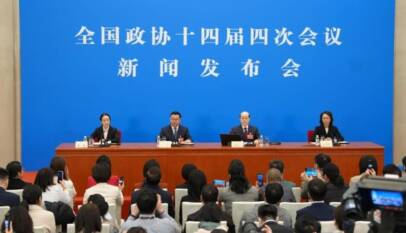
China charts new growth path as ‘Two Sessions’ launch 15th Five-Year Plan era
BEIJING: China signalled a new phase in its economic strategy as the country’s top legisla…

China charts new growth path as ‘Two Sessions’ launch 15th Five-Year Plan era
BEIJING: China signalled a new phase in its economic strategy as the country’s top legislature …