
NAVTTC launches China-inspired vocational reforms to empower Pakistani youth, women
Pakistan’s National Vocational and Technical Training Commission (NAVTTC) has launched a transformative series of skill development programs inspired by Chinese vocational models. Chairperson Gulmina Bilal Ahmad emphasized inclusive training, particularly for women, in trades like plumbing, mobile repair, and electrical work—previously male-dominated. These programs, initially pilot projects under the Prime Minister’s directive, are now permanent. NAVTTC is focusing on efficient resource use, district-specific needs, and real-time digital access to vocational data. With continued support from China and the Prime Minister, NAVTTC aims to create a sustainable, inclusive, and high-impact skills ecosystem
Beijing: Pakistan’s National Vocational and Technical Training Commission (NAVTTC) has launched a series of innovative programs aimed at revamping the country’s technical and vocational education system, drawing inspiration from successful Chinese models.
Chairperson of NAVTTC, Gulmina Bilal Ahmad, highlighted the significance of these initiatives in equipping the youth with industry-relevant skills and promoting gender inclusion in trades traditionally dominated by men.
“We are committed to empowering the youth—particularly women—through inclusive, sustainable, and research-backed skill development strategies,” she stated in a discussion with China Economic Net.
The Chairperson revealed that trades such as plumbing, mobile repair, carpentry, and electrical work have now been integrated into women-only training courses. What began as a pilot program under a directive from the Prime Minister has now become a permanent part of NAVTTC’s curriculum.
Incorporating high-tech and modern skill training modeled after China’s vocational practices, NAVTTC adapted these systems to suit Pakistan’s unique socioeconomic needs. “We examined China’s model closely and restructured it to align with our local realities,” she said.
Addressing concerns around funding and long-term sustainability, she clarified that the core issue lies not in a lack of resources, but in their efficient utilization. “We are making data-informed decisions that reflect the needs of specific districts and the wider labor market,” she explained.
NAVTTC has also developed an online platform offering real-time information about vocational institutions across Pakistan. From Sanghar to Dalbandin, the system provides insights into co-educational institutes, faculty qualifications, and capacity levels.
Acknowledging the Prime Minister’s ongoing support, she said his commitment has significantly influenced the scope and impact of the skilling agenda. “His vision is rooted in creating sustainable, functional, and wide-reaching programs.”
On future collaboration with China, the Chairperson remarked, “China is more than just a partner—it’s a brother who has generously shared its development journey with us. Now, it’s our responsibility to adapt and implement those learnings effectively.”
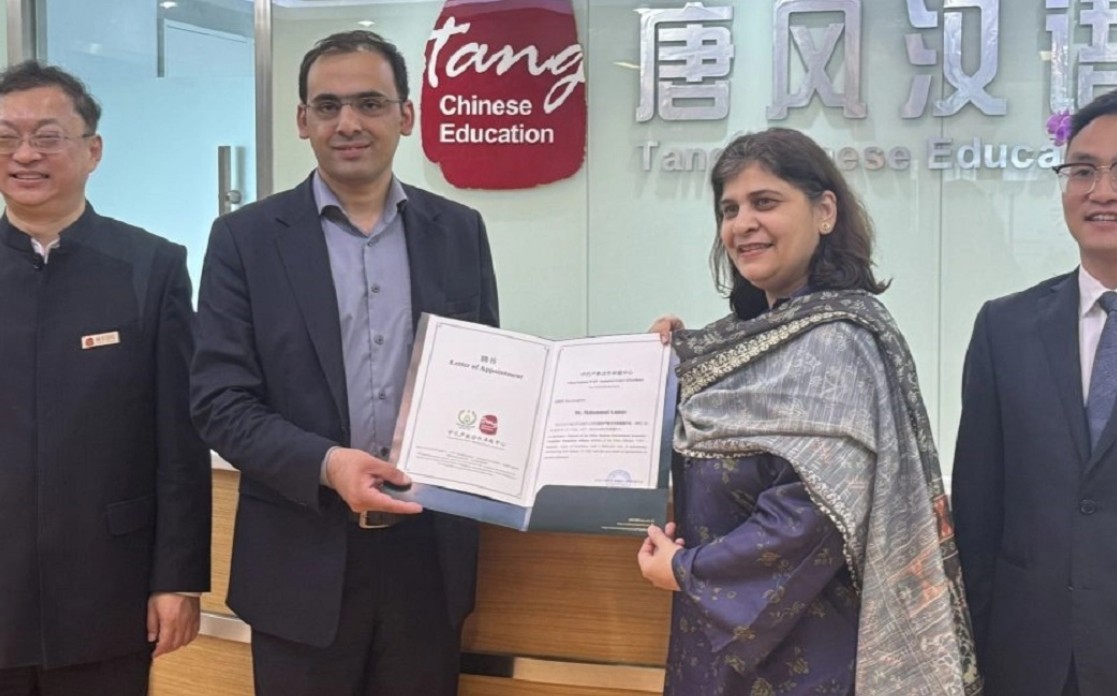
Currently in China at the invitation of Tang International Education Group, the Chairperson attended a ceremony for eight Pakistani female students who successfully completed technical training. A new group of sixteen female students has also begun their training, furthering the commitment to women’s participation in vocational fields.
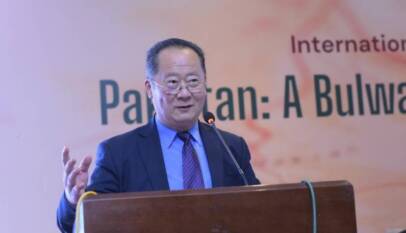


Pakistan indispensable pillar of regional stability: Chinese scholar
ISLAMABAD: Prof Cheng Xizhong, Senior Research Fellow at the Charhar Institute said on Wed…

Chinese firms plan to invest $2.6bn in Balochistan
ISLAMABAD: Chinese companies have announced plans to invest approximately $2.6 billion in Balochistan’s manufacturing sector, …