


Pakistan highlights mining cooperation as key driver of CPEC phase-II at Beijing Summit

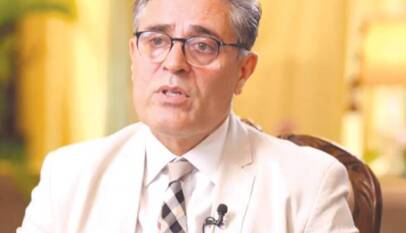
Pakistan’s Deputy Head of Mission in Beijing, Bilal Mahmood Chaudhary, highlighted the transformative potential of mining cooperation under CPEC during his keynote at the 4th Asia Mining Innovation and Development Summit. He showcased Pakistan’s vast mineral wealth—ranging from Reko Diq’s gold and copper to massive coal and iron reserves—positioning the country as a key industrial player in the region. Emphasizing CPEC Phase II’s focus on value addition and downstream processing, Chaudhary underscored China’s advanced mining technologies as a perfect match for Pakistan’s resources. He cited major projects like Saindak and Duddar mines as examples of “win-win collaboration,” supported by policy reforms and the Special Investment Facilitation Council (SIFC). The summit concluded with a renewed call for deeper Sino-Pakistan cooperation in line with President Zardari’s recent visit, reaffirming mining as a strategic priority.
Pakistan’s Embassy Deputy Head of Mission in Beijing Bilal Mahmood Chaudhary has emphasised the transformative role of mining cooperation under the China-Pakistan Economic Corridor (CPEC) during his keynote address at the 4th Asia Mining Innovation and Development Summit in Beijing.
Chaudhary underscored Pakistan’s vast mineral wealth, including 186 billion tons of coal reserves, over 5 million tons of copper and 400 tons of gold at the Reko Diq mine, alongside 500 million tons of iron ore. “These resources position Pakistan as a pivotal player in regional industrial growth, particularly under CPEC 2.0, which prioritises value addition and downstream processing,” he stated at the event on Sunday.
Highlighting the alignment of China’s advanced mining technologies with Pakistan’s resource base, he noted that CPEC’s upgraded phase aims to foster “mutually beneficial partnerships” in line with the Belt and Road Initiative (BRI).
The deputy head referenced recent milestones, including the $2.3 billion railway project linking mining hubs with Gwadar Port – a CPEC phase-II initiative set to expand the port’s capacity to 2 million tons annually by 2030. He also cited flagship projects like the Saindak Copper-Gold Mine, operated by China’s MCC Group, and the Duddar Lead-Zinc Mine in Balochistan, which achieved a peak output of 500,000 tons in 2019 under China Huaye Group. These ventures, he said, exemplify “win-win collaboration” through job creation and technology transfer.
To streamline investments, Chaudhary outlined Pakistan’s policy reforms, including the National Minerals Harmonisation Framework 2025, which offers tax incentives and expedited licensing under the Special Investment Facilitation Council (SIFC). “Our goal is to transform mineral wealth into industrial growth and human development,” he asserted. National Bank of Pakistan (NBP) Vice President Shaikh Muhammad Shariq, while sharing his sentiments, stressed the financial sector’s commitment to supporting mining ventures. “CPEC-driven projects are unlocking new avenues for sustainable financing, ensuring that infrastructure and energy initiatives align with long-term economic resilience,” he said.
The summit concluded with a call for deeper Sino-Pakistan collaboration, building on President Asif Ali Zardari’s February 2025 visit to China, which reaffirmed mining as a strategic priority.
Bilal Chaudhary remarked, “Our iron-clad friendship will shine brighter through innovation and shared prosperity.”


Chinese firms plan to invest $2.6bn in Balochistan
ISLAMABAD: Chinese companies have announced plans to invest approximately $2.6 billion in …
Pakistan aims to strengthen artificial intelligence collaboration with China
ISLAMABAD: Pakistan is seeking to enhance its cooperation with China in the field of artificial …