

5-point plan result of Pak-China close coordination, says Chinese Ambassador Jiang Zaidong
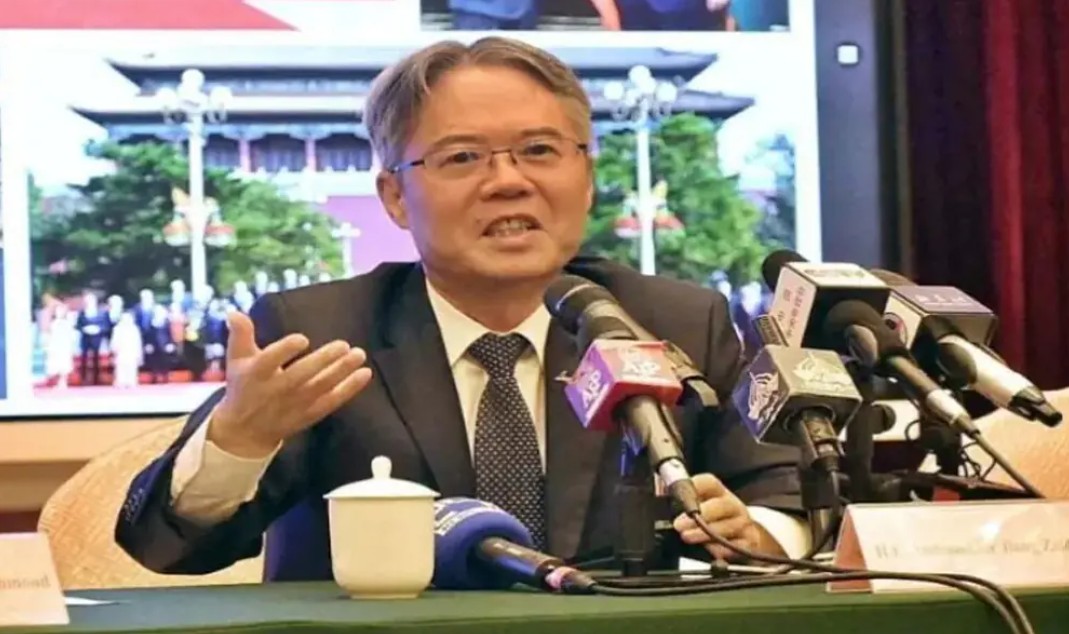
China and Pakistan have jointly proposed a five-point initiative to promote peace in the Gulf and wider Middle East amid rising tensions involving the United States, Israel, and Iran. Announced in Beijing, the plan calls for an immediate ceasefire, renewed peace talks, protection of civilians and infrastructure, secure maritime routes, and adherence to the UN Charter. Chinese Ambassador Jiang Zaidong said the initiative reflects both countries’ shared stance and broader international expectations, and has received wide support. Emphasising their “iron-clad” partnership, he noted ongoing diplomatic coordination, mediation efforts, and alignment with President Xi Jinping’s Global Governance Initiative, stressing that dialogue, not military force, is the only path to stability, while warning that continued conflict could disrupt global energy and supply chains.
China and Pakistan have jointly proposed a five-point initiative aimed at restoring peace and stability in the Gulf and the broader Middle East, amid escalating tensions involving the United States, Israel, and Iran.
According to an Op-Ed by Chinese Ambassador Jiang Zaidong, the initiative was issued in Beijing on March 31 following close coordination between the two countries.
The proposal calls for an immediate ceasefire, early resumption of peace talks, protection of civilian infrastructure, safeguarding of maritime shipping routes, and adherence to the principles of the United Nations Charter.
The ambassador said the plan reflects not only the shared position of Beijing and Islamabad but also the broader expectations of the international community, adding that it has received “wide attention and support”.
Highlighting the long-standing ties between the two countries, he described China and Pakistan as “iron-clad friends” that have maintained close coordination on key global and regional issues. Since the outbreak of the conflict involving the US, Israel, and Iran, China has engaged with relevant parties to promote a ceasefire and encourage dialogue, while Pakistan has facilitated mediation efforts, he added.
The envoy noted that both sides remained in close contact through diplomatic channels in Beijing and Islamabad, as well as at the UN Security Council. Their foreign ministers also held multiple discussions to coordinate positions and push for de-escalation.
Placing the initiative in a broader context, the ambassador linked it to Chinese President Xi Jinping’s Global Governance Initiative, which emphasises multilateralism, sovereign equality, and adherence to international law. Pakistan has expressed support for the framework, including at the Shanghai Cooperation Organisation summit in Tianjin.
The five-point plan has drawn positive responses from several countries and international organisations, the ambassador said, describing it as a step toward mobilising global support for peace.
He stressed that military force cannot resolve conflicts and that dialogue remains the only viable path forward, warning that continued instability could disrupt global energy supplies and supply chains.
Looking ahead, the ambassador said China and Pakistan would continue to deepen bilateral cooperation and coordination, particularly as the two countries mark 75 years of diplomatic relations, while working together to promote reforms in global governance and uphold international justice.

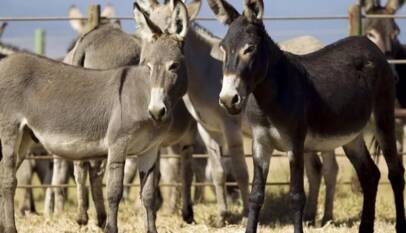
81 tons of donkey meat, bones, hides exported to China via Gwadar
GWADAR, Oct 8 (Gwadar Pro) – A Chinese Company operated in Gwadar North Free Zone, H…
81 tons of donkey meat, bones, hides exported to China via Gwadar
GWADAR, Oct 8 (Gwadar Pro) – A Chinese Company operated in Gwadar North Free …