
Pakistan eyes $1.5bn hybrid rice export opportunity in China
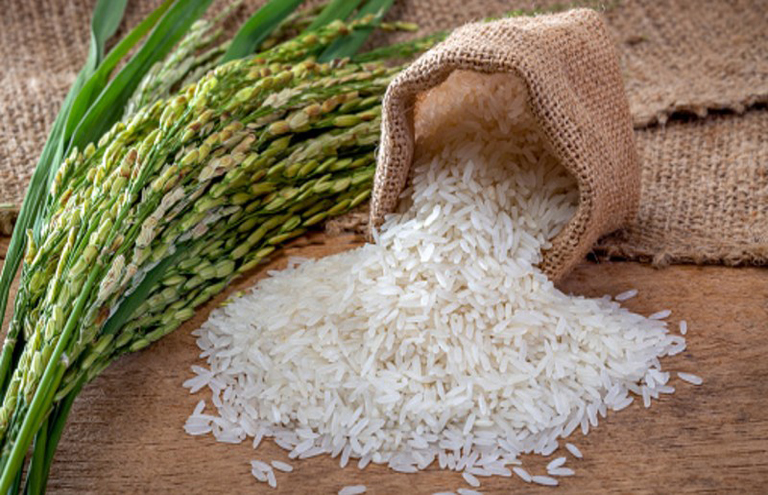
Pakistan has a major opportunity to expand non-Basmati hybrid rice exports to China amid declining Indian supplies, with Rice Exporters Association of Pakistan (REAP) founding chairman Shahzad Ali Malik estimating potential exports of up to $1.5 billion. He urged the government and private sector to develop a joint strategy focused on contract farming, quality seeds, certification and food-safety compliance. Pakistan’s non-GMO status, Chinese hybrid varieties, CPEC logistics and the Pakistan-China Free Trade Agreement provide competitive advantages, while stronger rice exports could boost foreign exchange earnings and farmer incomes. Malik proposed a Pakistan-China Rice Export Task Force to coordinate efforts and develop a roadmap for increasing total rice exports to $5 billion within three to five years.
AHORE: Pakistan has a real opportunity to expand its non-Basmati hybrid rice exports to China, as it looks for alternative suppliers following the slowdown in rice trade with India.
According to Shahzad Ali Malik, founding Chairman of Rice Exporter Association of Pakistan (REAP) and Chief Executive Officer (CEO) of Guard Agricultural Research and Services, Pakistan can export up to $1.5 billion worth of hybrid rice to China if a joint strategy is formulated and implemented seriously. He said, “We should capitalise on our competitive advantage of growing Chinese hybrid varieties against other exporting players.”
His statement came amid downward trend seen in Indian export of non-Basmati rice to China. According to latest estimates, China’s rice import demand for 2025-26 is projected at around 3.1 million tonnes, making it the world’s largest rice importer. Before the ban, India was a growing supplier, having exported 0.186 million tonnes worth $65.59 million to China in the April-January period of FY25. However, with China now imposing non-tariff barriers, following reports about GMO presence on Indian rice, a supply gap has emerged that Pakistan is well-positioned to fill.
Pakistan already enjoys a decent position in the Chinese market. Pakistan produces both Basmati and non-Basmati varieties and has surplus stocks, particularly of the non-Basmati Chinese hybrid, in addition to IRRI, which China uses extensively for food processing and building its food security reserves. Additionally, Pakistan holds a clear advantage in the hybrid rice segment, and, interestingly, the parent lines of hybrid seed itself is imported from China, which makes quality alignment and cooperation easier. Pakistan also benefits from being a non-GMO producer, and the Pakistan-China Free Trade Agreement along with CPEC logistics ensure faster transit times compared to India, observed Malik.
For Pakistan, this situation represents a clear opportunity window. Reduced competition from India in the Chinese market is likely to enhance demand and uplift prices for Pakistani rice. China may also push for contract farming and assured supply agreements to secure its needs, which could benefit Pakistani farmers and exporters. If Pakistan positions itself as a reliable, non-GMO, and fully compliant supplier, it can capture the very segment that China was rejecting from India.
Malik stressed that the government and private sector must work together to adopt a contract model with Chinese buyers, improve supply of quality seed, ensure certification, and meet China’s strict food safety and pesticide residue standards. Seed companies like Guard Agricultural Research and Services, which already acts as a major player in this regard, can play a key role by providing high-yield hybrid seeds to farmers, thereby increasing per-acre productivity and ensuring consistent quality for Chinese importers.
Logistics will also be crucial. Malik stressed that “CPEC and our ports can significantly reduce delivery times, giving Pakistani rice a cost advantage over competitors”. He also pointed out that rice is Pakistan’s second-largest export after textiles, and boosting exports would generate valuable foreign exchange while benefiting millions of farmers in Sindh and Punjab. Malik estimated that with proper planning and investment, it would take three to five years to raise Pakistan’s total rice exports to $5 billion. He suggested forming a Pakistan-China Rice Export Task Force involving exporters, seed industry and the authorities concerned to develop a clear roadmap and coordinate efforts.

CPEC to open new opportunities for Pakistan’s development: Chairman Senate
ISLAMABAD: “The China-Pakistan Economic Corridor (CPEC) is a flagship manifestation of the…