
Pakistan, China Sign Mutual Recognition Deal for Engineering Qualifications

Pakistan and China have signed a Mutual Recognition Agreement (MRA) on engineering qualifications, enabling reciprocal provisional licensure for engineers. The agreement, signed between the Pakistan Engineering Council (PEC) and the Chinese Society of Engineers (CSE), aims to enhance workforce mobility, boost services exports, and foster collaboration in high-tech sectors under the Belt and Road Initiative (BRI).
KARACHI – In a milestone development for bilateral cooperation in science and technology, Pakistan and China have signed a Mutual Recognition Agreement (MRA) on professional engineering qualifications. The agreement, signed between the Pakistan Engineering Council (PEC) and the Chinese Society of Engineers (CSE), is expected to significantly enhance workforce mobility, increase service exports, and deepen collaboration in high-tech sectors, especially within the Belt and Road Initiative (BRI) framework.
The MRA allows engineers from both countries to obtain provisional licensure without additional examinations, provided they possess a recognized four-year engineering degree and are registered with their respective professional bodies. This mutual recognition is designed to facilitate the movement of skilled professionals between the two nations and open up employment and project opportunities, particularly in engineering-intensive sectors.
PEC Chairperson Engr Waseem Nazir welcomed the agreement as a “vote of confidence in Pakistan’s engineers,” emphasizing its potential to open global avenues for young professionals. He added that the MRA would not only enhance foreign exchange earnings through service exports but also bolster Pakistan’s soft power, especially among BRI member countries.
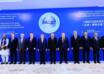
The signing ceremony featured senior representation from both countries, including PEC Secretary Dr Nasir Mahmood Khan, CSE Deputy Secretary-General Zhang Bin, CSE President Wan Gang, and Gong Ke, former President of the World Federation of Engineering Organizations (WFEO). Their presence reflected the strategic importance both sides place on professional engineering cooperation.
Under the agreement, Pakistani engineers will now be eligible to work in infrastructure, energy, ICT, and smart-city projects in China, while adhering to local laws, ethical codes, and professional standards. In return, Chinese engineers will enjoy similar privileges in Pakistan. To oversee implementation, a joint PEC-CSE working group will manage credential verification, organize professional development programs, facilitate engineer exchange opportunities, and conduct annual reviews to ensure compliance and quality control.
The agreement is expected to benefit thousands of Pakistani engineers, enabling them to pursue international licensure and participate in high-value projects abroad. Officials believe the move will also positively impact Pakistan’s foreign remittances, as qualified professionals contribute more significantly to the country’s external income.
Beyond the economic implications, the deal enhances Pakistan’s global standing in the engineering sector by affirming that the country’s education and professional systems meet international standards. As part of the broader CPEC and BRI cooperation agenda, the agreement serves as a bridge for people-to-people connectivity, knowledge exchange, and human capital development, offering long-term diplomatic and developmental benefits for Pakistan.
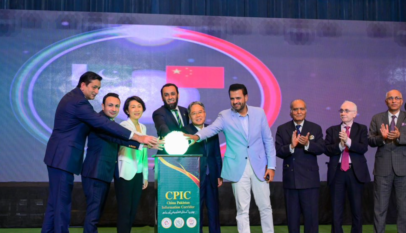
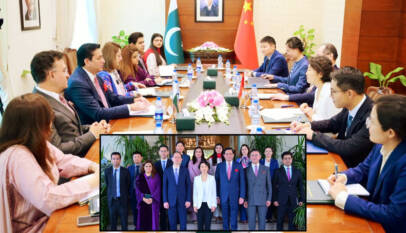
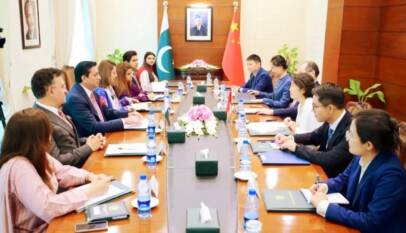
China-Pakistan Information Corridor launched in Islamabad
Pakistan and China officially launched Information Corridor here on Monday, as a part of t…
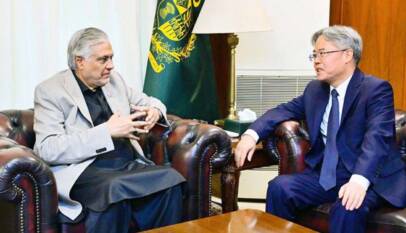
DPM Dar, Chinese Ambassador review CPEC progress
ISLAMABAD: Deputy Prime Minister and Foreign Minister Ishaq Dar met Chinese Ambassador Jiang Zaidong …